Antarctic Expedition Cruises: Comprehensive Costs and Reviews Guide
Embarking on a guided Antarctic expedition cruise represents a pinnacle of adventure travel, offering unparalleled encounters with one of Earth’s most pristine and dramatic wildernesses. Understanding the diverse costs involved and discerning genuine value from various reviews are crucial steps for anyone planning this once-in-a-lifetime journey.
This comprehensive guide delves into the financial aspects, dissects common review themes, and provides essential insights to help you navigate the complexities of booking your dream voyage to the White Continent. Please be guided accordingly in your research and planning to ensure an unforgettable experience.
The Allure of Antarctic Expedition Cruises
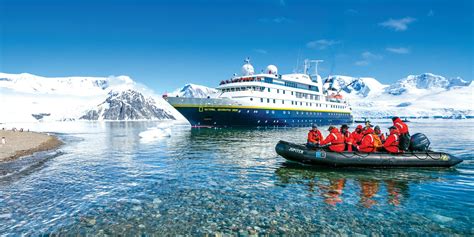
Antarctica captivates with its monumental icebergs, vast glaciers, and prolific wildlife, offering an experience that transcends typical tourism. An expedition cruise provides intimate access to remote bays and shorelines, allowing for up-close observations of penguins, seals, and whales in their natural habitat.
These journeys are not just sightseeing trips; they are educational immersions led by expert naturalists, historians, and geologists who enrich every landing and Zodiac excursion with their profound knowledge. Travelers return not only with stunning photographs but also with a deeper understanding of polar ecology and conservation.
Understanding the Landscape of Antarctic Cruise Costs
The cost of an Antarctic expedition cruise can vary dramatically, influenced by numerous factors that prospective travelers must consider. Prices typically range from approximately $8,000 for a shorter, more basic trip to over $20,000 for longer, luxury voyages, excluding international airfare.
Key determinants include the duration of the cruise, the level of luxury and amenities offered by the ship, the specific itinerary and its included activities, and the cabin category chosen. Carefully evaluating these components helps in aligning your budget with your expedition expectations.
Key Factors Influencing Price
The length of your journey plays a significant role in the overall expense, with standard cruises to the Antarctic Peninsula typically lasting 10-14 days, while extended trips to the Ross Sea or with Falkland Islands and South Georgia add considerable cost. The type of ship, whether a comfortable ice-strengthened vessel or a more opulent luxury liner, also heavily impacts pricing due to varying service levels and onboard facilities. Furthermore, the time of year can influence costs, with peak season (January-February) often commanding higher prices than shoulder months like November or March.
What’s Typically Included (and Excluded)
Most Antarctic expedition cruise costs are largely inclusive, covering accommodation, all meals on board, daily shore excursions via Zodiac boats, and expert-led lectures and briefings. Many operators also include essential expedition gear, such as waterproof boots and parkas, as well as port fees and taxes. However, international airfare to and from the departure point (usually Ushuaia, Argentina), pre- and post-cruise hotel stays, travel insurance, alcoholic beverages, gratuities for staff, and optional activities like kayaking or camping are generally excluded from the base price.
Deciphering Expedition Cruise Reviews: What Matters Most
Navigating the myriad of online reviews is essential for prospective Antarctic cruisers, providing invaluable insights into real traveler experiences. Look beyond superficial praise and focus on consistent themes regarding ship quality, expedition staff, itinerary execution, and wildlife encounters.
Authentic reviews often highlight both the triumphs and minor challenges, offering a balanced perspective on what to genuinely expect from your chosen operator. Prioritizing reviews that detail specific aspects of the journey will provide the most relevant information for your decision-making process.
Ship Comfort and Amenities
Reviews often focus on the comfort of cabins, the quality of dining, and the overall ambiance of the vessel, which significantly impacts the onboard experience. Travelers frequently comment on the size of the ship, noting that smaller ships (under 200 passengers) often offer more intimate experiences and more frequent landings, aligning with strict environmental regulations.
Aspects like the availability of observation decks, wellness facilities, and lecture theaters are also commonly discussed, influencing overall satisfaction. A well-maintained ship with comfortable public spaces can greatly enhance relaxation between exhilarating excursions.
Itinerary and Excursion Quality
The heart of an Antarctic expedition lies in its landings and Zodiac cruises, making reviews on itinerary flexibility and excursion quality paramount. Travelers often praise operators who adapt plans to weather and ice conditions, maximizing opportunities for wildlife viewing and exploration. Feedback regarding the duration of shore visits, the number of daily excursions, and the efficiency of disembarkation and embarkation processes are crucial indicators of a well-run operation. A flexible itinerary allows for spontaneous wildlife sightings and ensures the best possible experience in a dynamic environment.
Expertise of Expedition Staff and Guides
The caliber of the expedition team is consistently highlighted as a defining element of a successful Antarctic cruise. Knowledgeable and passionate guides enhance every encounter, providing context and answering questions about the unique ecosystem and history of Antarctica. Reviews frequently commend staff for their professionalism, enthusiasm, and ability to ensure passenger safety while delivering profound educational experiences. A strong expedition team transforms a scenic trip into a deeply enriching educational adventure.
Wildlife Sightings and Conservation Efforts
For many, the primary draw of Antarctica is its incredible wildlife, and reviews often reflect satisfaction with the abundance and variety of sightings. Feedback on the respectful approach to wildlife observation and the operator’s adherence to IAATO (International Association of Antarctic Tour Operators) guidelines is also highly valued. Positive reviews frequently describe memorable encounters with penguins, seals, and whales, emphasizing the thrill of witnessing these creatures in their natural, undisturbed habitat. Responsible tourism practices are increasingly important to travelers, who seek to minimize their environmental footprint.
Choosing the Right Antarctic Cruise for You
Selecting the perfect Antarctic expedition cruise requires careful consideration of your personal preferences, budget, and desired level of adventure. Begin by defining your priorities: are you seeking unparalleled luxury, a specific activity like kayaking, or the most budget-friendly option?
Researching different cruise lines and their specialized offerings will help you narrow down the choices, ensuring your journey aligns with your unique vision for a polar adventure. Consulting with an experienced polar travel specialist can also provide invaluable guidance and access to exclusive deals.
Defining Your Priorities and Budget
Your ideal cruise will depend on whether you prioritize smaller ships for a more intimate experience or larger vessels with more amenities, as well as your interest in specific activities such as mountaineering, camping, or photography workshops. Clearly outlining your budget from the outset will significantly help in filtering options, as costs vary widely between operators and ship categories. Think about the type of experience you truly desire, whether it’s an intense scientific focus or a more relaxed exploration.
Researching Cruise Lines and Their Reputation
Investigate the track record and reputation of various expedition cruise lines, paying close attention to their safety records, environmental policies, and overall customer satisfaction. Look for operators that are members of IAATO, indicating a commitment to responsible and safe Antarctic tourism. Reading reviews specific to different cruise lines will offer insights into their operational styles and typical passenger demographics, helping you find a match for your travel style.
Booking Tips and Timing
Booking your Antarctic expedition cruise well in advance, often 12-18 months ahead, is highly recommended to secure your preferred itinerary, cabin category, and potential early-bird discounts. Consider traveling during the shoulder seasons (November or March) for potentially lower prices and fewer crowds, although wildlife sightings might vary compared to the peak season. Always purchase comprehensive travel insurance that covers emergency medical evacuation, as this is a remote and unpredictable destination. Utilizing a reputable travel agent specializing in polar expeditions can simplify the booking process and provide expert advice.
The Best Time to Travel to Antarctica
Antarctica’s expedition cruise season runs during the Austral summer, typically from November to March, with each month offering distinct advantages and experiences. Understanding these seasonal variations can help you choose the ideal time for your visit based on your interests.
Whether you prioritize pristine ice formations, peak wildlife activity, or unique photography opportunities, there’s a perfect window for every type of explorer. The dynamic nature of the continent means that no two expeditions are ever exactly alike, regardless of the season.
Early Season (November – Early December)
The early season presents Antarctica at its most pristine, with vast expanses of untouched snow and ice formations, offering stunning photographic opportunities. This period is ideal for those who wish to witness massive icebergs and freshly calved ice, often at lower prices due to being outside the peak window. Penguin colonies are establishing their nests and courting, providing charming and active scenes for observers.
Mid-Season (Mid-December – February)
Considered the peak season, mid-December to February offers the warmest weather, the longest daylight hours, and the highest concentration of wildlife activity. This is when penguin chicks are hatching and growing rapidly, and whale sightings become more frequent as they feed in the nutrient-rich waters. However, expect higher prices and more crowded landing sites during this popular period due to high demand.
Late Season (March)
The late season in March is often characterized by spectacular whale watching opportunities, as various species are frequently seen feeding before migrating north. The fewer crowds and potentially lower prices can be appealing, though ice conditions may start to limit access to certain areas. Penguin chicks are fledging and preparing to go to sea, offering a different perspective on their life cycle. This period also presents beautiful sunsets as the days begin to shorten.
Beyond the Basic Expedition: Specialty Cruises
For those seeking more than a standard expedition, a range of specialty cruises cater to specific interests and adventure levels. These targeted voyages offer enhanced experiences tailored to particular passions, from advanced photography to extreme polar exploration.
Exploring these niche options allows travelers to deepen their engagement with Antarctica and pursue unique activities that elevate their journey beyond the ordinary. Each specialty cruise promises a distinct flavor of Antarctic adventure, designed for a more focused pursuit.
Photography-Focused Expeditions
Many cruise lines offer dedicated photography cruises, featuring onboard workshops and expert photographers who provide guidance during excursions. These trips often include extra time at scenic locations, ensuring ample opportunity to capture the breathtaking landscapes and wildlife. Specialized itineraries may seek out optimal lighting conditions and provide access to exclusive vantage points for photographers of all skill levels.
Active Adventure Options: Kayaking, Camping, Snowshoeing
For the more adventurous, several expedition cruises offer optional activities like sea kayaking among icebergs, camping overnight on the Antarctic continent, or snowshoeing across pristine snowfields. These experiences provide an even deeper immersion into the polar environment and are a fantastic way to engage physically with the landscape. Participants must usually meet certain physical requirements and pay an additional fee for these exclusive, small-group activities.
Extended and Deep Antarctica Voyages
Some operators offer extended voyages that venture beyond the Antarctic Peninsula to destinations like the Falkland Islands, South Georgia, or even the remote Ross Sea. These longer, more comprehensive expeditions provide a deeper understanding of the sub-Antarctic ecosystems and historical sites. Such journeys typically come with a significantly higher price tag and require a greater time commitment but offer unparalleled exploration of more distant and rarely visited regions of the continent. They are often sought by seasoned polar explorers or those with a keen interest in historical exploration.
Conclusion: Planning Your Unforgettable Antarctic Journey
A guided Antarctic expedition cruise represents an extraordinary investment in travel, offering indelible memories and profound connections with the natural world. By thoroughly researching costs, critically evaluating reviews, and understanding the various options available, you can confidently plan a voyage that perfectly aligns with your expectations and budget.
Ultimately, the value of an Antarctic expedition extends far beyond its monetary cost, delivering a transformative experience that underscores the importance of protecting this magnificent and fragile wilderness for future generations. Prepare diligently and embrace the adventure that awaits in this unparalleled polar realm.
Frequently Asked Questions (FAQ)
How much does an Antarctic cruise typically cost?
The cost of an Antarctic expedition cruise typically ranges from $8,000 for shorter, more basic trips to over $20,000 for longer, luxury voyages, excluding international airfare. Prices are influenced by duration, ship luxury, itinerary, and cabin category.
What is generally included in the price of an Antarctic expedition cruise?
Most cruises are largely inclusive, covering accommodation, all meals onboard, daily Zodiac excursions, expert-led lectures, and often essential expedition gear like waterproof boots and parkas. Port fees and taxes are also usually included.
What is typically NOT included in the cruise cost?
Common exclusions are international airfare to and from the departure point (e.g., Ushuaia), pre- and post-cruise hotel stays, travel insurance, alcoholic beverages, gratuities, and optional activities such as kayaking or camping.
When is the best time to visit Antarctica by cruise?
The best time to visit is during the Austral summer, from November to March. November offers pristine ice and courting penguins, December to February is peak season with abundant wildlife (penguin chicks, whales) and warmer weather, while March is excellent for whale watching and unique sunsets.
What kind of wildlife can I expect to see on an Antarctic cruise?
Travelers can expect to see various species of penguins (e.g., Adélie, Chinstrap, Gentoo), multiple types of seals (e.g., Weddell, Crabeater, Leopard), and several whale species (e.g., Humpback, Minke, Orca), alongside numerous seabirds.
Are Antarctic cruises suitable for all ages?
While there are no strict age limits, most operators recommend passengers be in good general health and able to navigate zodiac boats and potentially uneven terrain. Some luxury lines cater to a broader age range, while active expeditions may have greater physical demands.
What are the differences between small and large expedition ships in Antarctica?
Smaller ships (under 200 passengers) generally offer a more intimate experience, can access smaller bays, and allow for more frequent landings due to IAATO regulations. Larger ships (200-500 passengers) may offer more amenities and stability but typically have fewer landings per day due to passenger limits ashore.
Do I need special gear for an Antarctic cruise?
You will need warm, waterproof, and windproof outer layers, thermal base layers, waterproof pants, a warm hat, gloves, and sunglasses. Many cruise lines provide a waterproof parka and rubber boots for use during the expedition, but it’s essential to check with your specific operator.
How far in advance should I book an Antarctic cruise?
It is highly recommended to book an Antarctic expedition cruise 12-18 months in advance. This allows you to secure your preferred itinerary and cabin category, and often provides access to early-bird discounts and better flight options.